
The Mumbaikar: Life in an Indian metro

Chitra Nair is a highly opinionated 24-year-old. If you don’t find her working or studying, you’ll see her yak-yaking away about life in general.
It’s a common belief that living in an Indian metropolitan city means that all your problems are solved. It’s like Jiya’s Nani from Shararat just randomly popped in your life, snapped her fingers, and poof! You’re now living a life that many would kill for!
But the reality is – sorry to say– a lot different.
I hate to be the bearer of bad news, but…living in megacities is a struggle.
Why, I’m sure, you may ask. There are many, many reasons that I’d like to tell you but the biggest problem I see now is the travel.
Unlike the picturesque towns and villages, where everything’s a stone’s throw away, whenever you want to go from one end of an Indian metropolitan city to the other, you always have to switch to different modes of public transport, go through an excruciating amount of hassling, bickering and frustration. Finally, when you reach your destination, looking like the people from those ‘Shock laga laga’ ads and stinking in sweat like a pig, you feel like you’ve won the Mahabharat.
The sad part is? You have to go through this every day. It doesn’t matter if you’re someone born and brought up in the city or someone who just arrived. Everybody struggles while traveling. By everybody, I mean everybody!
Of course, the issues with transport varies from one metro city to the other. Delhi is relatively better because the metro network is very, very well designed. But if you’re in a city like Mumbai, where the transport has become all-the-more legendary (thanks a LOT, metro construction!), it is like you’re a demigod constantly being tormented by the Greek Gods.
In Mumbai, you have a lot of mediums of public transport for traveling on the road. But how useful are they, really?
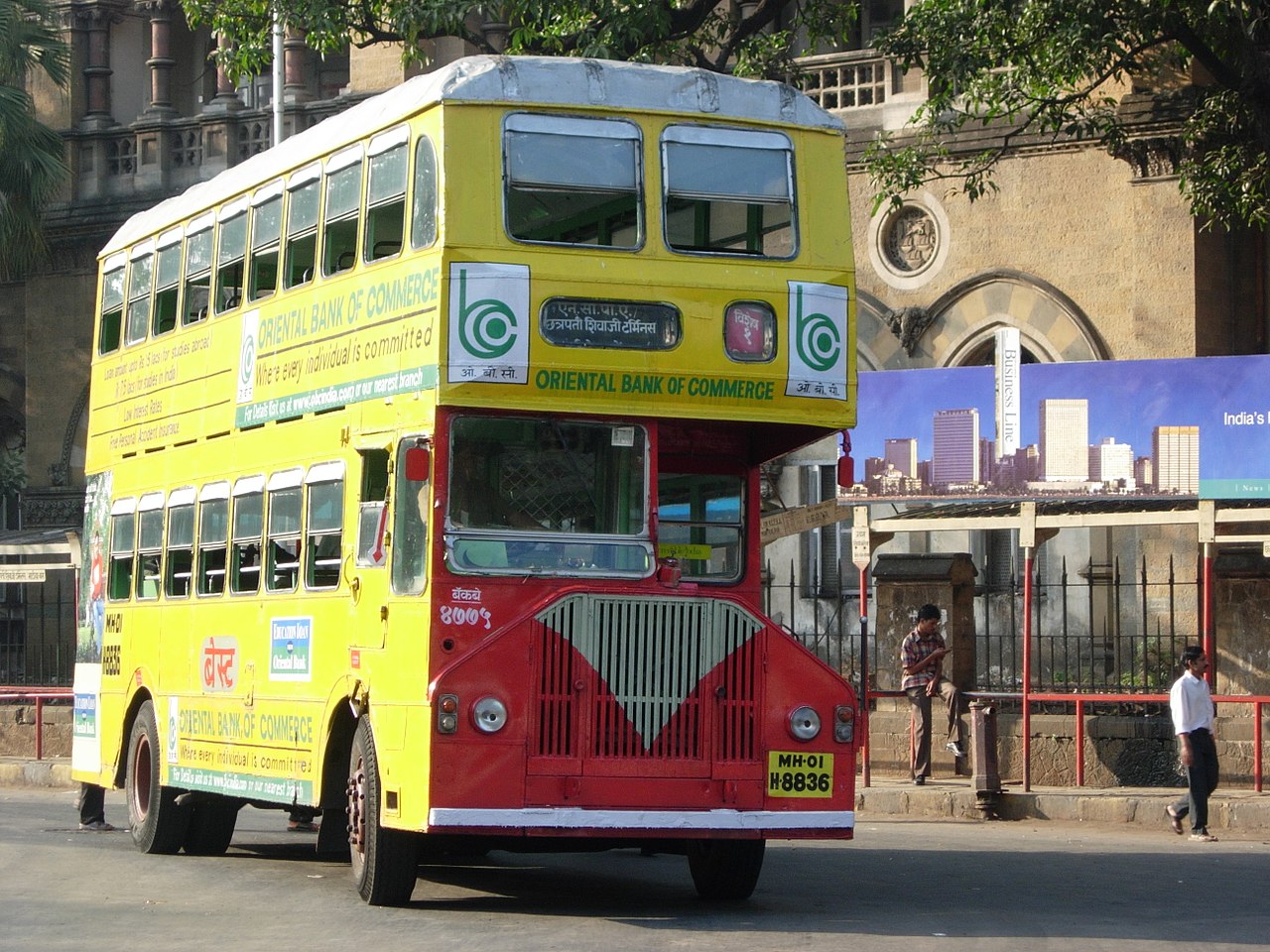
You have the public BEST buses, but they are just BEST in name. Though the tickets are inexpensive, the speed it takes for them to go from one part to another makes a tortoise look like Usain Bolt.
Then you have the local rickshaw walas, who run on a meter, so they won’t cheat you, and they’d get their rightful dues. But they are the ones who give all the heartbreakers and f**kbois a run for their money, at the rate at which they reject you.
And then you have the solitary metro line from Ghatkopar till Versova – which has simplified our lives. Still, it’s so minuscule at this stage. And then you have the construction going on for the underground metro – which has only worsened the road traffic by multifold.
Which leaves us with…The local trains. The good, old reliable trains. They are so late that they’d give a German a migraine, and once you’re in, you’re in for a roller coaster ride from the Final Destination movies.
Every day during the rush hours (and sometimes, during the non-rush hours), you have to stand among a pack of people, and wait, all aggressively, for the train to come. Once the train deigns to arrive, you have to be all set to get in. And ones the train halts, madness descends.
If you’re lucky, you can glide in quickly and have a comfortable (well as comfortable as you can get with so many people packed) journey.
But luck, unfortunately, is a mythical concept here. Most of the time, you have to elbow your way in, stamp on a couple of feet to get squished inside the already-crowded train. If your stars are all the more unlucky, sometimes you’d have to hang and get an adrenaline kick you’d never asked for.
This scenario that I just described? It’s on the regular days when the weather’s all right-ish, and the traffic’s terrible as usual. But if the weather goes for a toss? The local trains – often called the lifeline of the Mumbai city – stop. Then you have to resort to the other means of transport – which wouldn’t be working either if the weather conditions have worsened.
You’d ask, what about cab services like Ola and Uber? Surely, they’d be around! On normal days, they are quite useful. But if the weather is bad and something awful happens to the infra, they wouldn’t venture out, really. As I reflect on this, it’s quite terrible.
I can’t speak for the other cities (having not lived there in uber bad conditions), but the infrastructure and transportation in Mumbai have worsened a lot, and it is having a devastating impact on the people. With the delays, it’s getting harder for people to reach on time as they wanted. That’s affecting them in their workplaces, which in turn, could have a larger impact on the economy in the long run. Moreover, the increase in crowds and the government’s inability to keep up with the rise in the population is severely cramping up the transportation that we have! Because of this massive influx of people, it can sometimes be hazardous to even enter into the local modes of transport!
There’s only one thing that I’d like to ask: Why is the government not focusing on building the infrastructure? Why are they only hell-bent on elaborate pre-election campaigns and empty promises? Why isn’t necessary action being taken for some of the most cardinal aspects of living?
If things don’t change, then there are some tough times ahead for us!
Chitra Nair is a Young India Fellow, based out of Mumbai. Though she’s just 22, she has a lot of opinions.
Featured Image Credits: Wikimedia




 Login
Login
Readers' Reviews (1 reply)