Power, Poetry, and Protest: Churchill, Tagore, and Gandhi in the Early Twentieth Century
Each of them shaped the politics of their times and continue to stay relevant even today. Comparing and contrasting Tagore, Churchill and Gandhi!
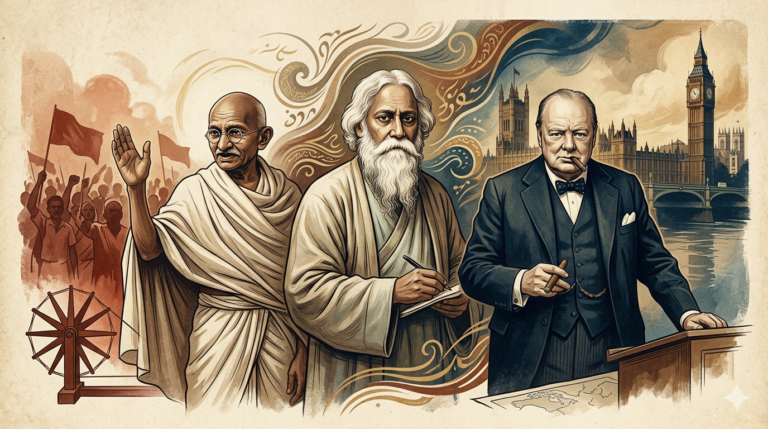
Each of them shaped the politics of their times and continue to stay relevant even today. Comparing and contrasting Tagore, Churchill and Gandhi!
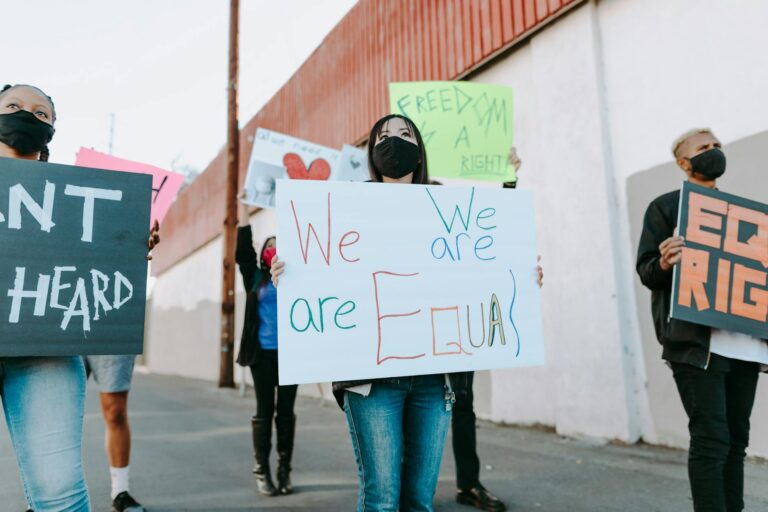
Western democracies have been seeing a crisis of legitimacy as citizens are not trusting institutions and governments anymore. What would this lead to?
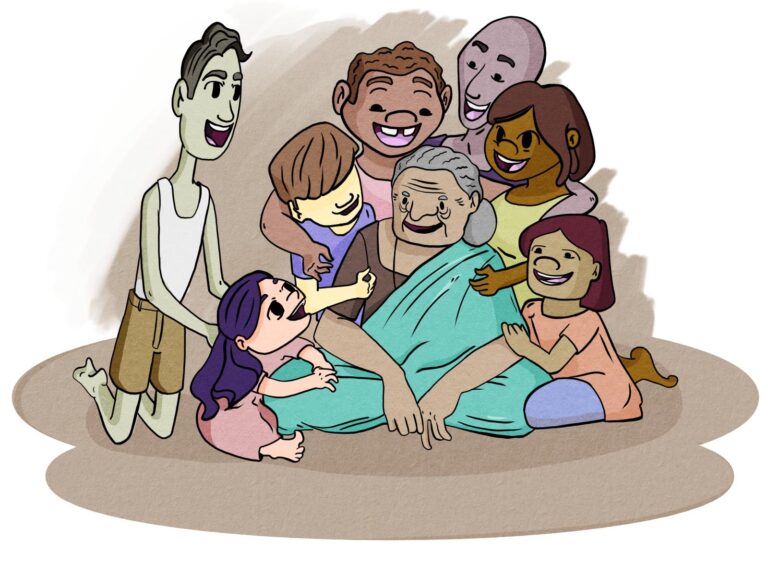
A middle class where meritocracy is nothing but a trap in debt and EMIs cannot but find security in social identities. Nation being one.
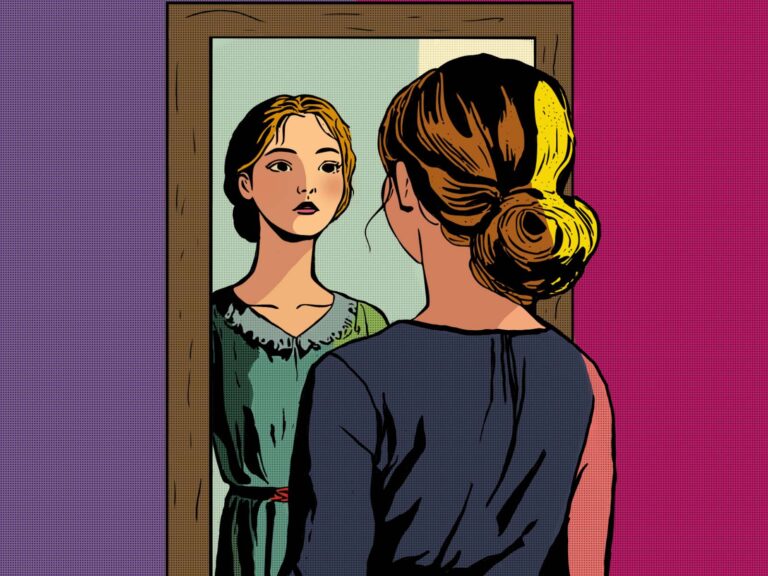
Nationalist discourse is inevitably dragged into misogyny on news debates, as masses might feel connected to such language over social media.
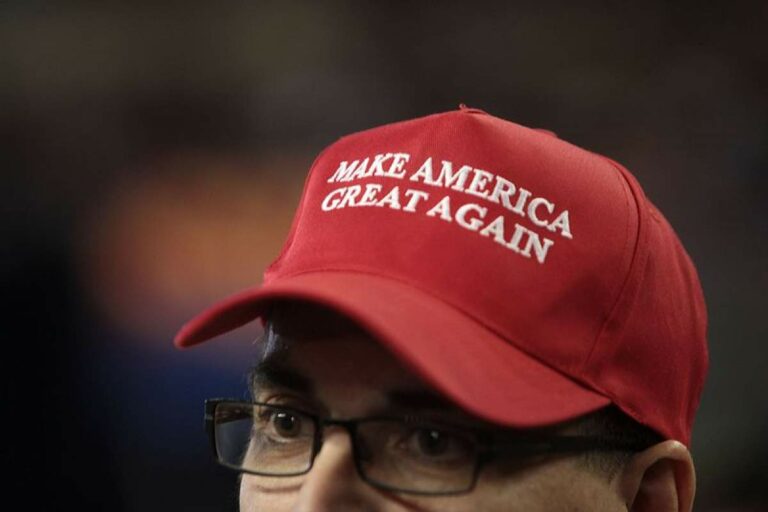
The trend of inward-looking politics in the backdrop of globalisation can be interpreted to be a resurgence of Economic Nationalism in the U.S
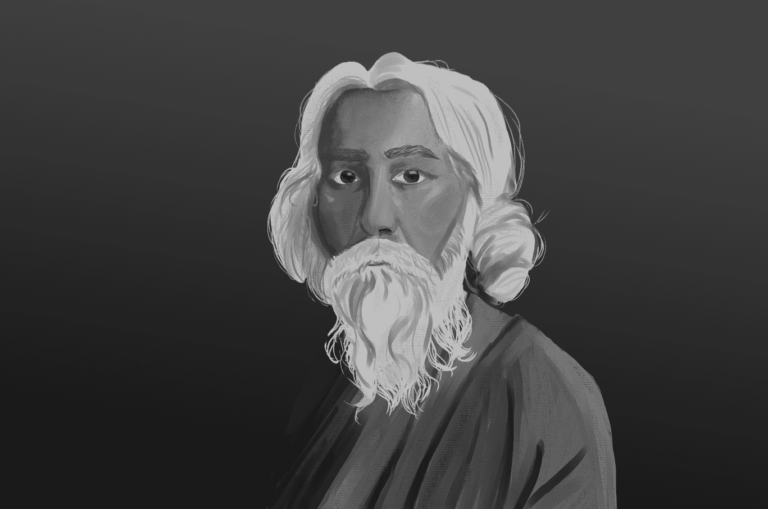
Rabindranath Tagore’s criticism of the concept of nationalism has kept humanism at the core.
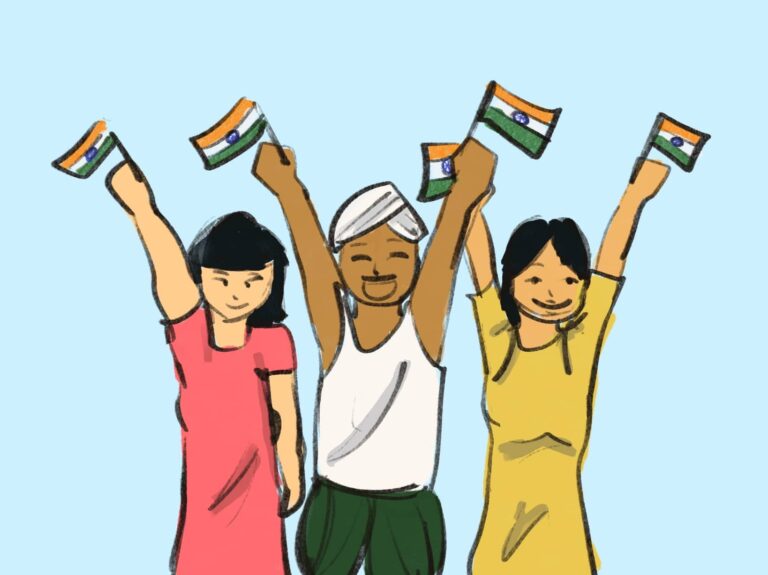
Each country’s flag has something unique and distinct which it wishes to uphold or represent. On hoisting the Indian flag by the banks of Ravi in Lahore in 1930 Nehru extolled his countrymen to salute it as a mark of unity irrespective of the differences in language, caste, creed or religion.
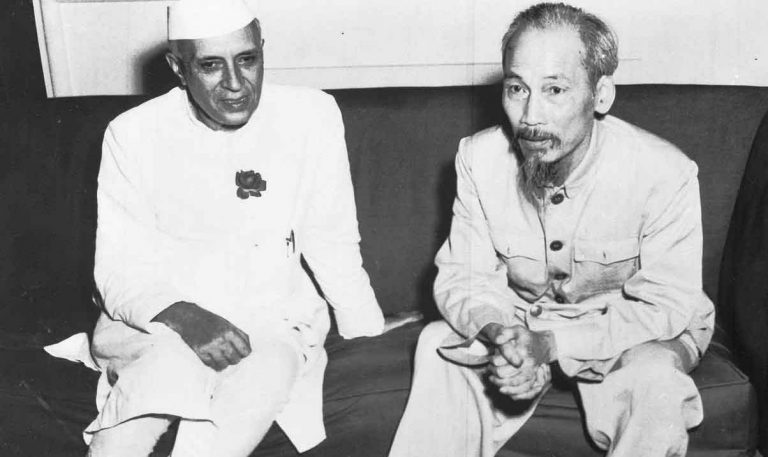
The Indian society which was just recovering from the wounds inflicted by the tragic Partition was still divided based on caste, linguistic and religion induced differences
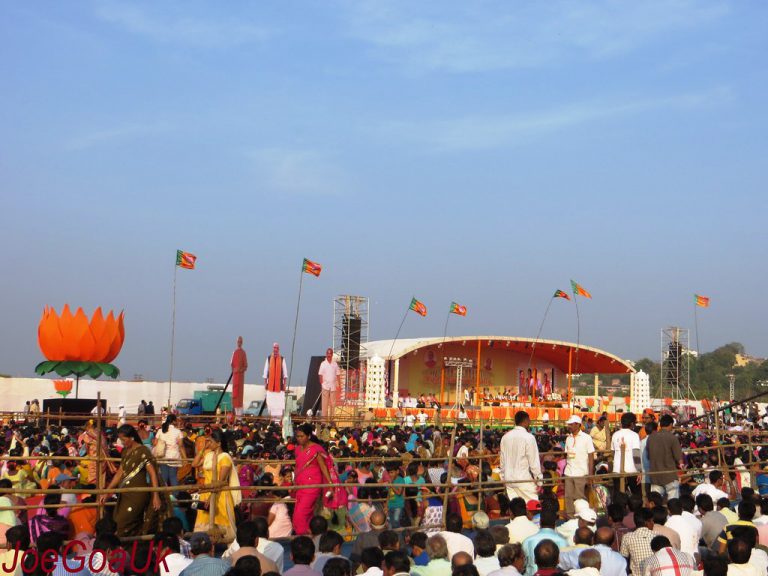
A baleful feature of contemporary Indian politics is the subjugation of the mind to partisanship in the narrowest sense.
 Login
Login